The Last Argument With a Hypocrite
I wore Your name proudly
You dishonored it loudly
I followed Your rules
You consorted with fools
I loved like You taught me
You embraced those who fought Me
I made peace with all others
By opposing your brothers
I gave alms to the needy
You gave crumbs, you were greedy
I cared for the humbled
You just watched as they stumbledGive me a chance, I will show You
Depart from me, I don’t know you
_____________________________________
It’s pretty obvious, but in case you missed it, this is a portrayal of a conversation between someone who professed Christianity, while living, and God who is now judging the life of that person. The discussion covers a variety of issues, but the one being judged consistently – and to his cost – continuously starts each argument with “I.”

In the Western Church, especially over the last few decades, we spend a lot of time thinking of God’s love and mercy. We probably do not spend enough time thinking of God’s justice and righteousness.
The law came prior to grace. Justice precedes mercy. They occur in order. Without justice first, from what would grace and mercy even concern? Without justice, we confuse tolerance of evil with mercy from sin – and the two are very different. Without justice, we are often proud instead of humble.
I think about the following verse sometimes:
Philippians 2: 12 Therefore, my beloved, as you have always obeyed, so now, not only as in my presence but much more in my absence, work out your own salvation with fear and trembling, 13 for it is God who works in you, both to will and to work for his good pleasure.
How much “fear and trembling” do we see in today’s Church? Probably not enough. If you believe in God – and I mean *really* believe – then does your life reflect that? How? It is a thing of awe and wonder to know God. It is a mind-boggling thing to believe you know God (or to say that you do) and to then choose to live indifferently concerning Him.
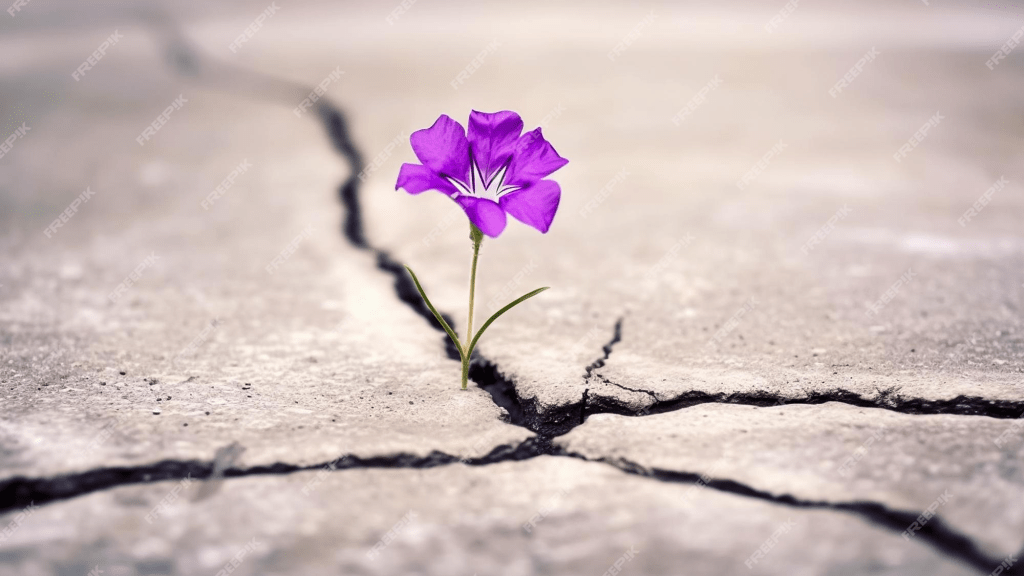
Everyone’s life is different. Utilizing the metaphor of a garden – some gardens are small, in rocky soil, and constantly beset by pests, or bad weather. Others are large, in rich fertile soil, protected from the elements. We get into trouble when we compare one garden’s harvest to another as though the outcome was our own doing. We get into trouble when we compare the conditions, too. The “fear and trembling” should be in asking oneself whether one has diligently attended to the garden, regardless of conditions or outcome. That’s the task and it’s humbling.








 Dusty Writes