The Drift
A raft drifts away from shore
And the one on it plans to return once more,
But instead he waits and floats along
As waves push, and pull, and plans go wrong,
And before too long, the shore is lost.
What a terrible cost
Is paid by those who roam
Too long away from home.
The tides rush in and pull away
Sand and shells and salt – every day.
And so it is that with the sea’s every breath,
A new beach is born as the old one meets death,
And yet like family they look the same
With similar features, sharing a name.
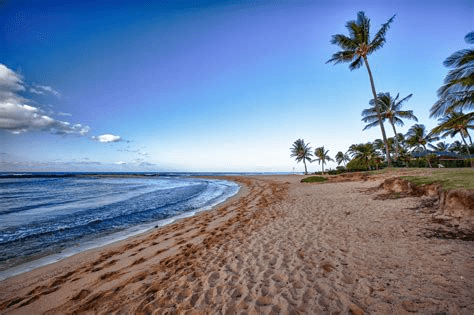
I wrote this while thinking about the always-changing dynamics of a family and the idea of home. People are born into a family. People are grafted into that family via marriage. People die. It’s easy to take them and the sense of home that comes with them for granted until they feel like they’re gone.
How does it happen then that a group of people, who are changing individually and as a collective, continue to feel familiar? Why does the beach always look like the same beach even when it changes so much? Maybe it doesn’t. Maybe there is a point at which you do too much damage to the beach. That’s not the expectation though, nor the historical norm.
The movie Castaway plays with some of these ideas, too. Chuck Noland doesn’t make it home until he leaves the beach of his false home and allows himself to be adrift. Then when he gets home, it’s no longer there.
Humans have always been relatively mobile, but never more so than they are now. I am nagged by the suspicion that this is a terrible turn of events for our species.
 Dusty Writes
2 responses to “The Drift”
thought provoking, Dusty
LikeLiked by 1 person
Thank you!
LikeLike